Ghana and the AfCFTA
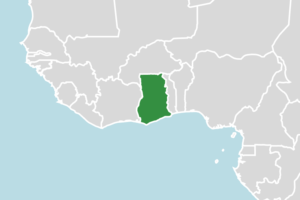
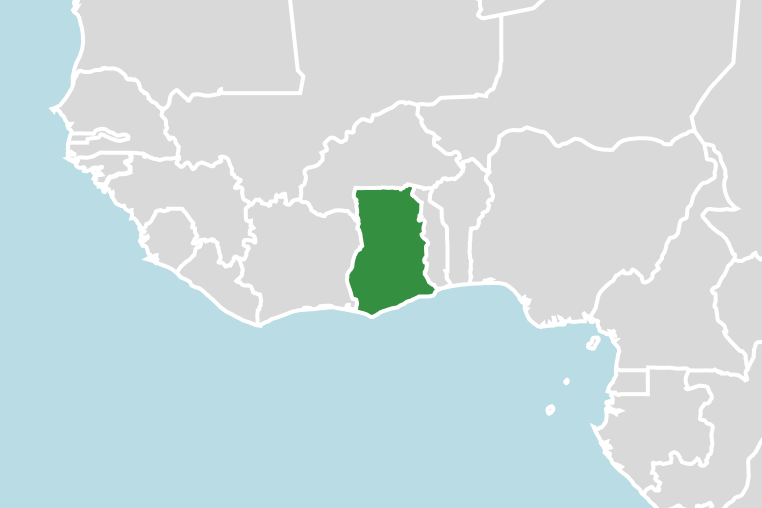
Ghana’s legacy as a champion for African unity and integration is reflected in the way the country has become a trailblazer for the African Continental Free Trade Area (AfCFTA). Ghana was one of the first countries in Africa to sign the agreement, and the first (along with Kenya) to ratify it. The West African nation’s commitment to creating a single African market is underscored by the establishment of the AfCFTA Secretariat headquarters in Accra.
The creation of the seamless, integrated African market envisioned in the AfCFTA, could propel Ghana into becoming the continent’s commercial capital.
How Ghana is preparing the ground for the AfCFTA
The government in Ghana is encouraging the country’s private sector to ready itself for the growth opportunities that the AfCFTA brings by:
The government is also pursuing robust industrial transformation policies and programmes to support these efforts. These are geared toward helping the private sector add value to Ghanaian exports, developing the country’s capacity to compete with imports and expanding opportunities for job creation.
How GIZ is supporting Ghana’s implementation of the AfCFTA
GIZ is supporting negotiations and national AfCFTA implementation efforts in Ghana. A national AfCFTA implementation strategy has been developed and structures created to help boost intra-African trade.
Key activities include:
Supporting the implementation of the national plan
Support in building the competitiveness and growth-readiness of the private sector, especially SMEs, to participate in the AfCFTA
Driving awareness and training on customs rules and regulations
Driving awareness and support for young entrepreneurs looking to grow from the AfCFTA AfCFTA
What we have achieved so far
The Ghana team has produced situational analyses and position papers on e-commerce; investment; and competition policy to support Ghana’s trade negotiating team. The capacity of ministries, agencies, and departments has been strengthened to support the implementation of Ghana’s AfCFTA commitments.
Facts and figures
The AfCFTA will help Ghana boost its intra-African trade, which currently accounts for a relatively small proportion of the country’s imports and exports.
Exports to the rest of Africa (2019):
US$2.97 billion
Exports to the rest of the world (2019):
US$16.7 billion
Imports from other African countries (2019):
US$1 billion
Imports from the rest of the world (2019):
US$10.4 billion
Our partners in Ghana
Political partner: Ministry of Trade and Industry
Main implementing partners:
National AfCFTA
Coordination Office
The Ghana Revenue
Authority – Customs Division
Ghana National Chamber of
Commerce and Industry
Private sector stakeholders include:
Association of
Ghana Industries
The Ghana Chamber of
Young Entrepreneurs
Related Content
Tunisia’s African footprint set to grow
Tunisia, historically known for the position of the city of Carthago, has a long tradition with trade. While in the last decades trade was strongly focused on Europa, the country has in the recent years recognised the potential of African markets and is thus currently focus more and more on trade on the continent.
To support this, Tunisia joined the Common Market for Eastern and Southern Africa (COMESA) in 2018 and ratified the African Continental Free Trade Area (AfCFTA) agreement in November 2020, to deepen its African integration.
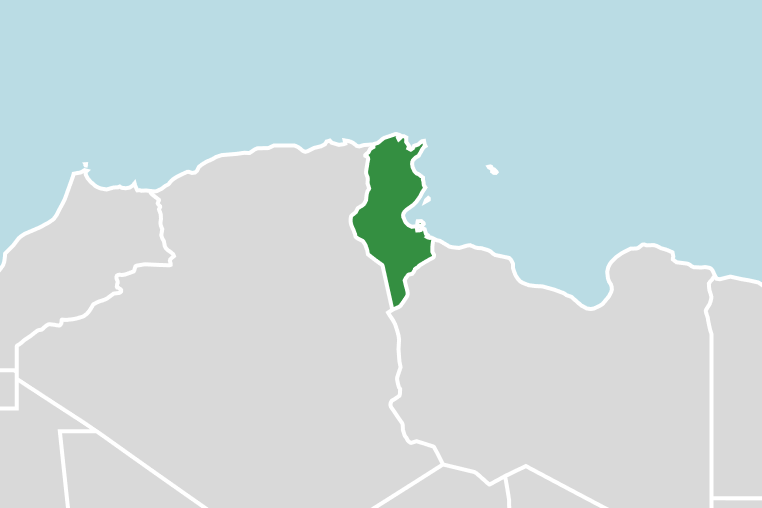
In 2021, 70% of Tunisian exports went to the European Union while only 10% of its exports were to the African continent – even though it provides an export potential of up to USD 2.2 billion for Tunisia, according to the World Trade Organization (WTO).
How the GIZ is supporting the implementation of the AfCFTA in Tunisia
The Support to Trade Agreements with Africa project (implemented on behalf of the German Federal Ministry for Economic Cooperation and Development) provides advice on negotiating and implementing intra-African trade agreements and is comprised by several funding projects, amongst other the AfCFTA programme. It is complemented by activities of bilateral cooperation in the field of trade with Africa in Tunisia.
The project assists public and private actors take advantage of the opportunities offered by these trade agreements.
Our work includes:
Work done so far:
Facts and figures
Tunisia’s intra-African trade:
Tunisia’s intra-Africa trade (2021):
USD 3 billion
Mineral products (mostly petroleum products) account for more than 50% of Tunisia's intra-African import
Imports are mainly from North African countries (Algeria, Libya, Egypt and Morocco) where it enjoys preferential access
Our partners in Tunisia
The Ministry of Trade and Export Development
Chambers of Commerce and Industry
Tunisia’s customs authorities
Related Content
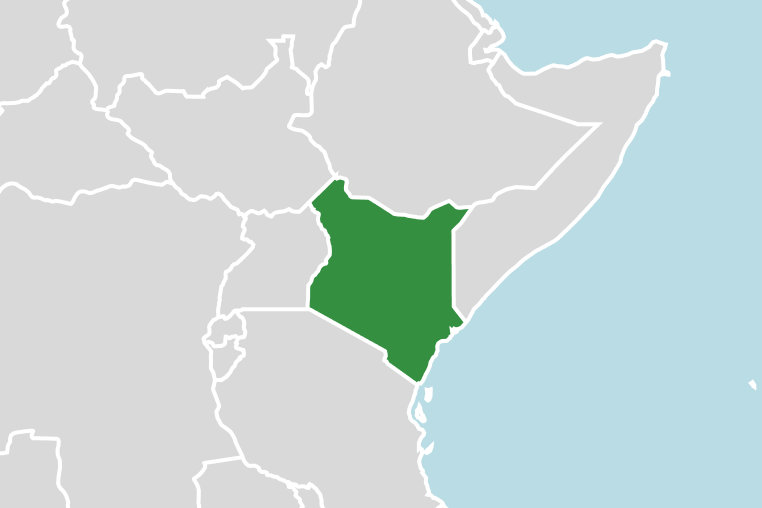
Kenya: An East African hub for intra-African trade
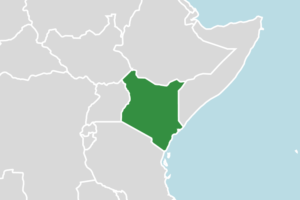
Kenya signed the African Continental Free Trade Area (AfCFTA) agreement in 2018 and was one of the first two countries, along with Ghana, to ratify the AfCFTA. Trade under the AfCFTA officially began on 1 January 2022.
An East African hub for intra-African trade
Kenya has been in the lead on the African continent to drive negotiations forward and in implementing the AfCFTA agreement, publishing its AfCFTA implementation strategy (2022-2027) in August 2022. The strategy seeks to leverage the single African market to grow Kenya’s trade and investment in Africa, support structural transformation, and foster economic growth and sustainable development.
Kenya’s AfCFTA strategy identifies priority export products and sectors for goods and services, aligned with its national development goals and aspirations.
Historically, Kenya has been an active player in international trade. It is a member of the World Trade Organization and was a member of its predecessor, the General Agreement on Tariffs and Trade. Kenya is also an active member of regional economic communities within Africa and has ratified multiple free-trade agreements or economic partnership agreements with other countries.
Here is how GIZ is assisting Kenya to implement the AfCFTA:
In 2020, the Assembly of Heads of States and Government of the African Union called for the negotiation of e-commerce under the AfCFTA, acknowledging the critical role of emerging and advanced technologies in fostering innovation and trade. They emphasized the need for the ethical, trusted, safe, and responsible adoption of such technologies to harness digital innovation and deepen economic integration through harmonized rules and standards supporting digital trade.
Throughout 2023 and 2024, GIZ Kenya has actively supported the Ministry of Investments, Trade, and Industry, alongside other ministries and agencies, in analyzing the draft text for the digital trade protocol and its annexes. Our text-by-text analysis support was instrumental in developing a strong national position for continental negotiations, significantly improving trade regulations. This support has culminated in a comprehensive protocol that proudly bears Kenya’s footprint.
Facts and figures
Kenya’s intra-African trade:
Exports (2022):
USD 3 billion
Imports (2022):
USD 2.3 billion
Our partners in Kenya
Ministry of Investments, Trade and Industry
Kenya Revenue Authority
Kenya Trade Network Agency
Kenya Investment Authority
Kenya Export Promotion and Branding Agency
Kenya Association of Manufacturers
The East African Tea Trade Association
Shippers Council of Eastern Africa
Federation of East African Freight Forwarders Associations
SMEs and other Kenyan exporting companies
Related Content
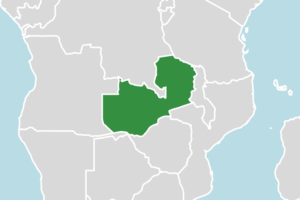
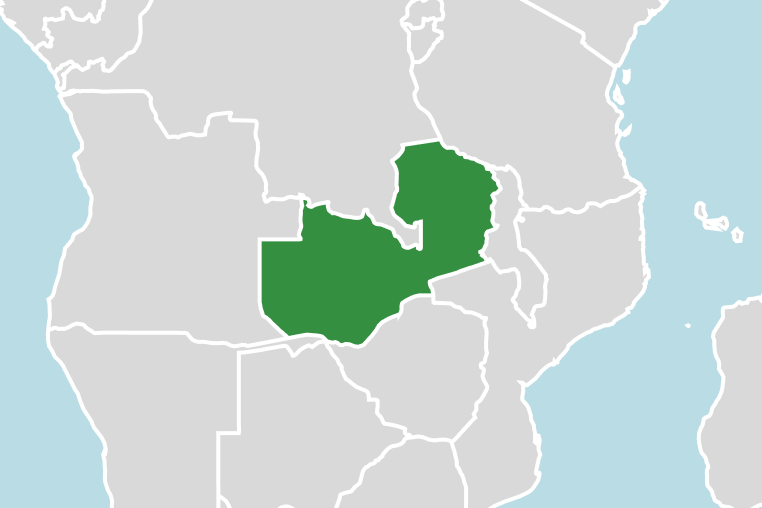
Zambia and the AfCFTA
Zambia’s commitment to the African Continental Free Trade Area (AfCFTA) is central to its aim to improve its citizens’ standard of living by boosting its economic performance. It is also anchored in its historical support of the African Union (AU) and of regional economic communities such as the Southern African Development Community, and the Common Market for Eastern and Southern Africa.
Zambia ratified the AfCFTA agreement in February 2021 and was one of the first countries to develop a national strategy for the implementation of the AfCFTA, with a view to using the free-trade agreement that underpins it to explore new markets while increasing exports to its traditional trade partners on the continent.
The south-central African country’s economic development hinges on industrialisation and export-led growth and it envisages annual increases in export earnings of between 15%, for traditional export goods such as metals and minerals, and 25% for non-traditional exports during the AfCFTA implementation.
How Zambia is preparing the ground for the AfCFTA
Zambia’s government is keen to take advantage of the AfCFTA to grow its economy and thereby raise its citizens’ standard of living by elevating the country’s status from a lower-income country to a prosperous middle-income country, and from a least developed country to a developing country, by 2030.
In Zambia the GIZ is supporting efforts to establish institutional and legal frameworks that underpin negotiations on and implementation of the AfCFTA.
The GIZ’s assistance in Zambia focuses on:
What we have achieved so far
Zambia has developed a national AfCFTA implementation strategy, and relevant structures have been established to implement the AU’s Action Plan for Boosting Intra-African Trade.
The GIZ has supported symposia and training workshops, including through the World Trade Organization (WTO), that are aimed at boosting Zambia’s using the AfCFTA to its economic advantage. We have also supported the completion and validation of a provisional AfCFTA tariff phase-down schedule, and the participation of selected small and medium-sized enterprises at the 2023 Intra-African Trade Fair in Cairo, Egypt.
Facts and figures
The AfCFTA will help Zambia boost its intra-African trade, which it is intent on growing.
Exports to other African countries (2021):
approximately USD 2.2 billion
Imports from African countries (2021):
USD 3.2 billion
Exports to the rest of the world (2021):
approximately USD 9 billion
Imports from the rest of the world (2021):
USD 3.9 billion
Exports to other African countries (2022):
approximately USD 3 billion*
Imports from African countries (2022):
approximately USD 5.5 billion*
*Provisional statistics
Our partners in Zambia
Political partner: Ministry of Commerce, Trade and Industry
Main implementing partners:
National AfCFTA Implementation Committee
Zambia Revenue Authority – Customs Services Division
Private sector stakeholders:
Zambia Chamber of Commerce and Industry
Zambia Association of Manufacturers
Cross-Border Traders Association of Zambia
Related Content
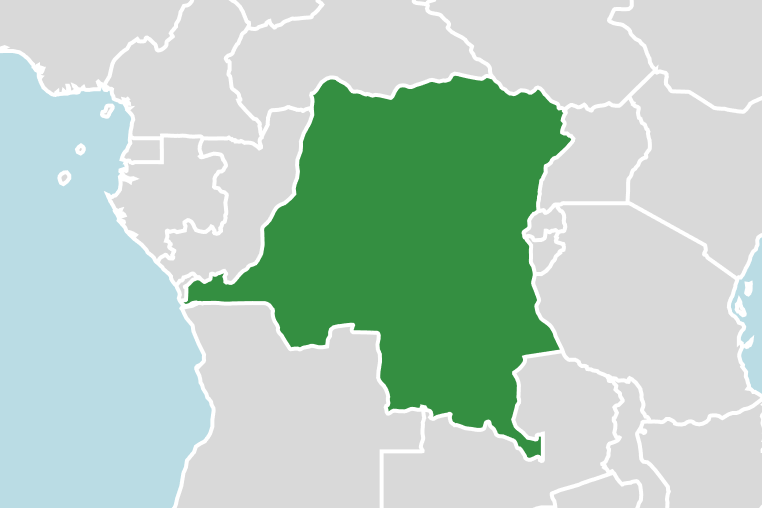
The Democratic Republic of the Congo and the AfCFTA
The Democratic Republic of the Congo (DRC) signed the African Continental Free Trade Agreement (AfCTFA) in 2018 and approved it in April 2021, and submitted its instruments of ratification to the African Union (AU) in February 2022.
Trade plays an important role in the DRC’s economy, contributing an average of 52% to its GDP annually over the decade to 2024. The country is already a member of several regional economic communities: the Southern African Development Community (SADC), the East African Community (EAC), the Economic Community of Central African States (ECCAS), and the Common Market for Eastern and Southern Africa (COMESA).
It is widely believed that the AfCFTA could help the DRC play a key role in the development of regional value chains in the manufacturing and agri-food industries by supplying key mineral and agricultural products to the continent. Its unique geographical position also means it could be a bridge to connect the four regional economic blocs – SADC, EAC, ECCAS and COMESA – to the rest of Africa.
How the DRC is preparing the ground for the AfCFTA
At a national level, the DRC has taken positive steps towards AfCFTA implementation, notably by conducting multi-stakeholder consultations and finalising its national AfCFTA strategy in July 2021. This includes identifying export products for African markets and creating specific action plans with clear timelines and targets.
In the DRC, the GIZ’s AfCFTA programme aims to help the DRC diversify its economy and access wider market opportunities on the continent.
It will focus on supporting the DRC in selected areas of negotiations on and implementation of the AfCFTA; training key stakeholders; supporting national enterprises to take better advantage of the opportunities offered by the AfCFTA; and strengthening synergies with other development partners in the DRC.
In the DRC the programme focuses on:
What we have achieved so far
GIZ’s AfCFTA support programme to the DRC kicked off in 2022 and includes the following assistance:
Our partners in Democratic Republic of the Congo
Political partner: Ministry of Foreign Trade
Main implementing partners:
General Directorate of Customs and Excise
Private sector stakeholders:
The Congolese Federation of Enterprises
Related Content
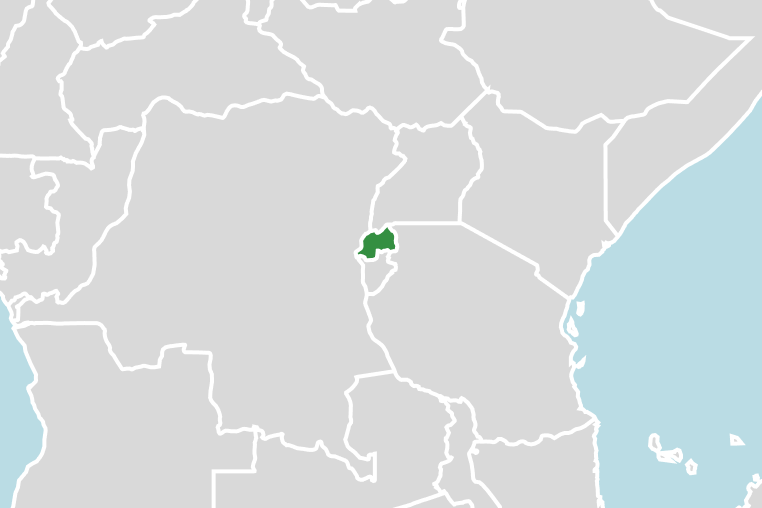
Rwanda and the AfCFTA
Rwanda was among the first countries to ratify the agreement on the African Continental Free Trade Area (AfCFTA), which was signed in the country’s capital, Kigali, at the 10th Extraordinary Summit of the African Union in March 2018.
Rwanda recovered well in 2021 from a Covid-19-induced contraction the preceding year and its real GDP grew by 8.2% in 2022.
The AfCFTA will further assist Rwanda in achieving its economic goal of reaching middle-income status by 2035 and high-income status by 2050.
How Rwanda is preparing the ground for the AfCFTA
Rwanda aims to strengthen and grow its small private sector, increasing competitiveness and supply-side capacity to positively affect the ability of companies to respond to market signals, compete across the continent and take better advantage of the AfCFTA.
Rwanda is working towards its goal of reaching middle-income status by 2035 and high-income status by 2050. It has put together a series of seven-year National Strategies for Transformation (with the first being NST1). These are underpinned by sectoral strategies focused on meeting the UN’s Sustainable Development Goals. NST1 followed two five-year Economic Development and Poverty Reduction Strategies (2008 to 2012 and 2013 to 2018), during which Rwanda experienced robust economic and social performance. Growth averaged 7.2% a year over the decade to 2019, while per capita GDP grew at 5%.
The GIZ’s assistance in Rwanda focuses on:
Areas of GIZ support
In Rwanda, the GIZ programme supports negotiations and national implementation efforts and collaborates with the National Implementing Committee (NIC). A national AfCFTA implementation strategy has been set and structures have been established to implement the Action Plan for Boosting Intra-African Trade, which seeks to address key constraints and challenges of intra-African trade.
Rwanda is one of eight countries being supported through the programme at a national level. The programme assists officials in negotiations on and implementation of the AfCFTA at continental, regional and national levels, helping countries, regional bodies and the African Union (AU) to respond to the complex nature of the AfCFTA’s negotiation and implementation, as well as to the heterogeneity of the state parties.
Key activities under the Rwanda component are:
Our partners in Rwanda
Political partner: Ministry of Trade and Industry
Main implementing partners:
Rwanda Revenue Authority – Customs Services
National Institute of Statistics Rwanda
Rwanda Development Board
Private sector stakeholders:
Rwanda Private Sector Federation
Related Content
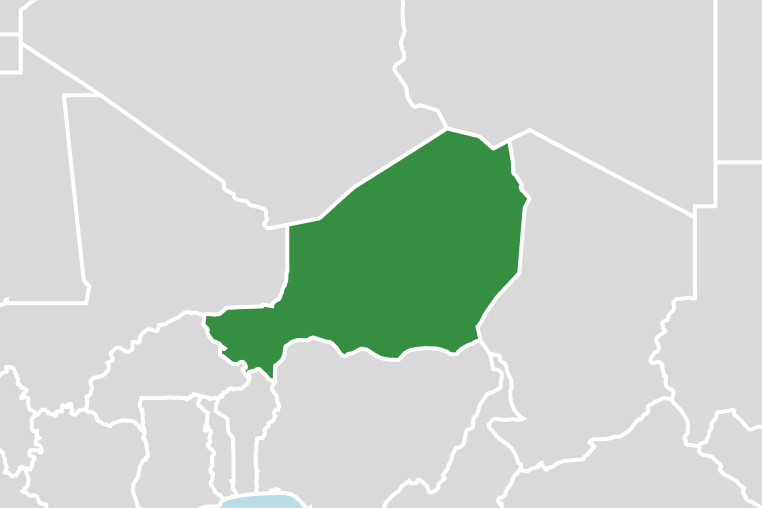
Niger: planting the seeds for growth
Niger is one of the world’s least developed countries, as ranked by the United Nations. According to the World Bank, the country’s extreme poverty rate (the proportion of people suffering severe deprivation of basic human needs, including food, safe drinking water, sanitation facilities, health, shelter, education and information) was more than 40%.
The country depends on the agricultural sector, which employs 75% of Niger’s workforce, working in livestock, food crops and rain-fed cereals. Fewer than one in five people in Niger have access to electricity.
How the AfCFTA can lift Nigeriens out of poverty
Niger has been a member of the World Trade Organization since 1996 and is part of a voluntary and resolute approach to regional trade integration.
The African Continental Free Trade Area (AfCFTA) agreement is an opportunity for Niger to exploit its export potential to African markets and facilitate its integration into regional and global value chains.
Niger ratified the AfCFTA agreement in June 2018, reflecting a strong political and economic commitment to African integration.
Niger’s full participation in intra-African trade as well as the implementation of the agreement pose challenges that are both multifaceted and complex for the country.
Indeed, to take full advantage of the AfCFTA, Niger must respond to the following challenges:
How the GIZ is supporting Niger’s implementation of the AfCFTA
The GIZ Programme Support to the AfCFTA provides advisory services on trade policy issues.
The programme follows a three-level approach – continental, regional and national and focuses its support on the following key areas:
The Federal Ministry of Industry, Trade and Investment is the main political partner of the project in Niger.
The project also works with other structures concerned with the implementation of the AfCFTA agreement. These include the Niger Chamber of Commerce and Industry and the General Directorate of Customs.
Through the Programme Support to the AfCFTA, capacity-building workshops were organised for the technical working groups of the negotiations on the various protocols of the AfCFTA agreement.
This training was followed by studies to identify Niger’s positions on the various issues under discussion.
The GIZ is working with partners to raise awareness on key documents such as Niger’s SME charter and its AfCFTA national strategy. This is being done through technical workshops for the benefit of the private sector under various themes such as preparation for export, rules of origin and intellectual property.
Facts and figures
The AfCFTA will help Niger boost its intra-African trade
The proportion of exports to other African countries (2020):
25%
The proportion of imports to other African countries (2020):
17%
Related Content
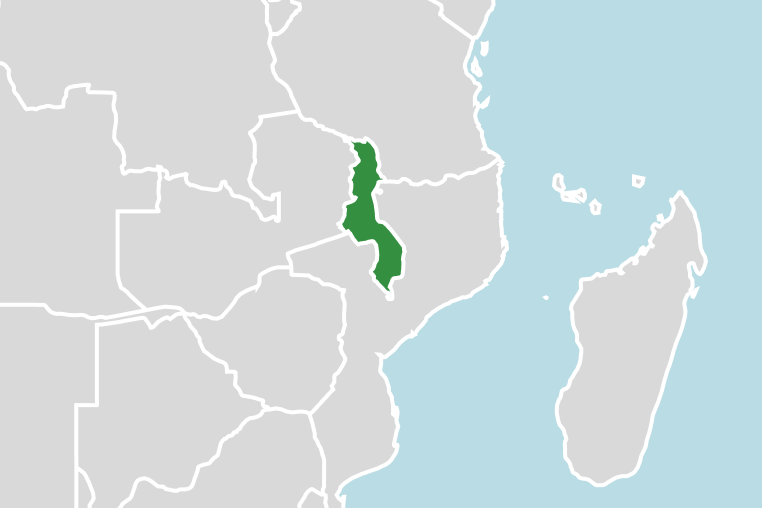
Malawi: A champion of intra-African trade
Malawi ratified the African Continental Free Trade Area (AfCFTA) agreement in January 2021, and the country’s leaders have been outspoken about the need for member states to move quickly towards implementing a single African market. The country developed its AfCFTA implementation strategy in 2021. Most recently Malawi submitted its reviewed market access offer which allows it to participate in the second phase of the AfCFTA Guided Trade Initiative – which is a test for countries, evaluating their frameworks and readiness to engage in trade under the agreement.
In 2020, Malawi published its long-term development plan – Malawi 2063 – which is aligned with the African Union’s (AU) Agenda 2063 (a development blueprint to achieve inclusive and sustainable socio-economic development across the African continent by 2063).
Malawi 2063 sets out three pillars to achieve inclusive wealth and self-reliance – agricultural productivity and commercialisation; industrialisation; and urbanisation.
Growing Malawi’s capacity to benefit from the AfCFTA
Malawi has been a vocal champion of intra-African trade as a member of the AU and the Southern African Development Community.
The country’s biggest economic driver is its agricultural sector, which largely produces maize as a staple food crop and some cash crops, including tobacco. According to the World Bank, about 85% of Malawians depend on the country’s agricultural sector. The participation of women in Malawi’s agriculture is significant – at around 60%.
Malawi’s fast-growing services sector is becoming a key contributor to GDP. According to World Bank data, the services sector has accounted for as much as 53% of Malawi’s GDP in recent years. A notable aspect of Malawi’s services sector is its potential for export.
Services exports from Malawi include tourism services, as well as business services in the financial and telecommunications sectors.
With commercial agriculture comprising only 7% of agriculture in Malawi, a key priority of the government has been to help farmers move beyond subsistence.
By opening up the African market, the AfCFTA is a major opportunity for Malawi to realise its economic growth potential.
Malawi’s fast-developing services sector holds significant potential for driving economic growth and diversification, amid the increasing export opportunities available through regional trade agreements like the AfCFTA.
How GIZ is supporting Malawi’s implementation of the AfCFTA
In Malawi, the AfCFTA team works closely with the GIZ’s programme to promote income and jobs in rural areas. Key activities include:
What we have achieved so far:
Facts and figures
The AfCFTA will help Malawi boost its intra-African trade, which currently accounts for a relatively small proportion of the country’s imports and exports.
Export of goods(2022):
USD 899 Million
Import of goods (2020):
USD 1.586 Billion
Export of services (2022):
USD 351 Million
Import of services (2020):
USD 1.289 Billion
Our partners in Malawi
Ministry of Trade and Industry
Malawi Investment and Trade Centre
Malawi Confederation of Chambers of Commerce and Industry
Malawi Revenue Authority
National Association of Businesswomen
COMESA Federation of Women in Business
Competition and Fair Trading Commission
Related Content
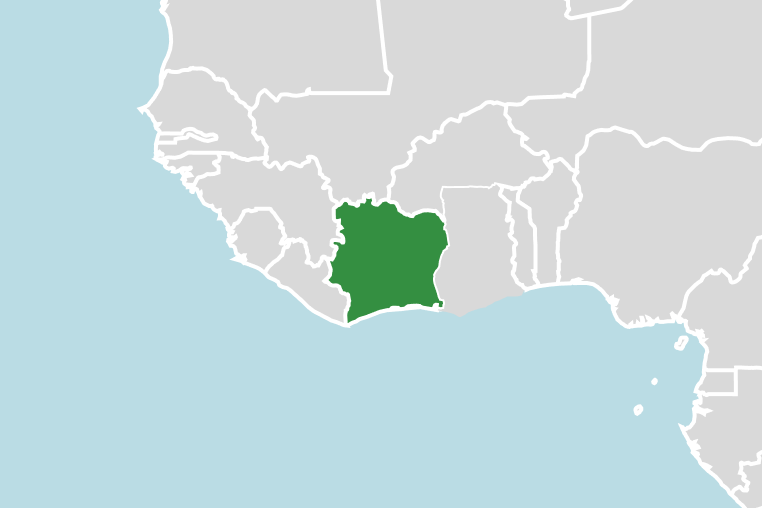
Côte d’Ivoire: West Africa's fast-performing powerhouse
Côte d’Ivoire is the world’s top exporter of cocoa and raw cashew nuts, is a net exporter of oil, and has a significant manufacturing sector. The West African nation has achieved rapid, sustained economic growth for nearly a decade.
According to the World Bank, Côte d’Ivoire averaged an 8.2% growth rate between 2012 and 2019, and then successfully contained the Covid-19 pandemic to manage a rate of 2% in 2020. By 2022 and 2023, it had recovered to an average of 6% growth.
Unfortunately, this growth has not been inclusive enough. According to Germany’s Federal Ministry for Economic Cooperation and Development (BMZ), some 40% of Côte d’Ivoire’s population is food insecure and living below the poverty line.
The AfCFTA’s potential to deepen Côte d’Ivoire’s growth
Côte d’Ivoire has proactively sought and nurtured trade ties with other countries. It has been a member of the World Trade Organization since its creation and is also a member of the Economic Community of West African States (ECOWAS).
Côte d’Ivoire ratified the African Continental Free Trade Area (AfCFTA) agreement in 2018.
For Côte d’Ivoire, the implementation of the AfCFTA agreement will significantly increase exports beyond ECOWAS to the rest of Africa. The country’s industrial sector is expected to benefit the most, making the AfCFTA an opportunity for industrialisation and a tool for the structural transformation of the economy.
How GIZ is supporting Côte d’Ivoire’s implementation of the AfCFTA
GIZ’s Programme Support to the AfCFTA provides advisory services on trade policy issues. The programme follows a three-level approach: continental, regional and national.
In 2020 and 2021, the programme provided support to three regional economic communities: the East African Community (EAC), the Economic Community of West African States (ECOWAS) and the Southern African Development Community (SADC). Furthermore, the programme supports AfCFTA implementation in 10 member states: Côte d’Ivoire, Democratic Republic of the Congo, Ethiopia, Ghana, Kenya, Malawi, Niger, Rwanda, Tunisia and Zambia.
It focuses its support on the following key areas:
In Côte d’Ivoire, the GIZ programme is supporting the country’s AfCFTA national committee with negotiations on and implementation of the AfCFTA. The project is also helping Ivorian businesses take advantage of the opportunities offered by the AfCFTA.
Empowering Businesses, Women, and Youth in Regional Trade
GIZ supported the meetings of four technical working groups of Côte d’Ivoire’s AfCFTA national committee, the preparation of communication materials and the sharing of experiences with Rwanda on trade promotion issues.
In terms of trade in services, the project facilitated a regulatory audit, developed an action plan for priority sectors and strengthened the country’s capacity for negotiation.
Several training workshops on subjects relating to trade in goods and electronic commerce were organised for the benefit of trade support institutions and the private sector, particularly small and medium enterprises.
Studies and analytical documents were drawn up to support negotiations and the implementation of Côte d’Ivoire’s commitments on trade facilitation, trade in services, investment and electronic commerce.
And, five national consultations were held to identify the constraints and needs of women and young people in the context of cross-border trade.
Related Content
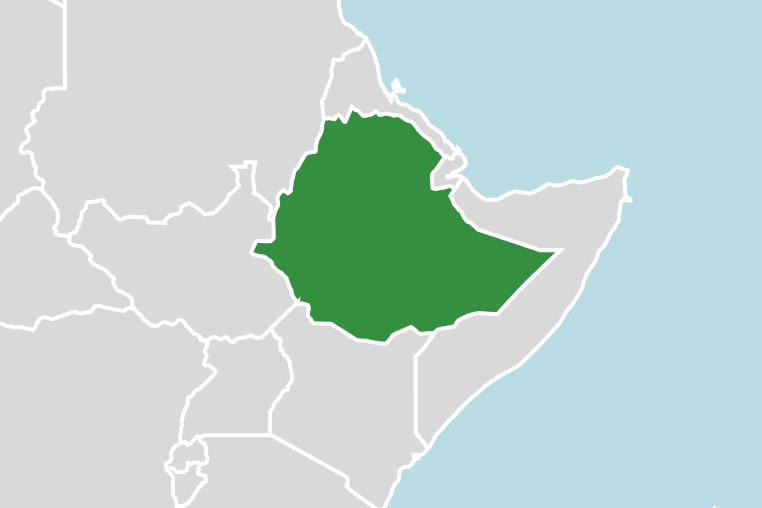
Ethiopia: An African powerhouse on the rise
Ethiopia is the second most populous country in Africa, with a population of 127 million, and is a development success on several measures.
Prior to the Covid-19 pandemic, Ethiopia was one of the fastest-growing economies in the world, and the fastest-growing in Africa, with an annual growth rate of 9.1% over the decade to 2019/20.
This economic growth was influenced by a shift in government strategy in 2010 from agriculture-led to manufacturing-led growth, supported by significant public infrastructure investment.
This growth has helped boost life expectancy and led to gradual poverty reduction, a decrease in gender inequality and an overall rating improvement on the United Nations Human Development Index.
Ethiopia’s watershed moment in international trade
Ethiopia has followed a conservative approach in opening its market to the global economy. Besides being a member of one regional economic community (COMESA) and having bilateral agreements with a few neighbouring countries, Ethiopia is not a party to any other regional or multilateral trade agreements.
Hence the country’s decision to be one of the earlier signatories to the AfCFTA agreement is a watershed moment in its international trade relations.
How GIZ is supporting Ethiopia’s implementation of the AfCFTA
The GIZ supports Ethiopia at a national level. In collaboration with the government, the GIZ’s AfCFTA team aims to achieve sustainable development in Ethiopia through regional economic integration.
Key activities include:
In Ethiopia, the GIZ programme is supporting the country’s AfCFTA national committee with negotiations on and implementation of the AfCFTA. The project is also helping Ethiopian businesses take advantage of the opportunities offered by the AfCFTA.
What we have achieved so far:
Facts and figures
The AfCFTA will help Ethiopia boost its intra-African trade, which currently accounts for a relatively small proportion of the country’s imports and exports.
Ethiopia’s total intra-African trade (2022):
USD 2.48 billion (12.64% of its total trade)
Top African countries that export from Ethiopia (2022):
Somalia, Djibouti, Kenya and Sudan (together accounted for over 89% of Ethiopia’s exports to Africa)
Top African countries that import to Ethiopia (2022):
Morocco, Egypt and Djibouti
Ethiopia’s key African export products (2022):
vegetables, coffee, tea, maté and spices
Ethiopia’s key African import products (2022):
fertilisers; animal, vegetable or microbial fats and oils; and mineral fuels and oils
Our partners in Ethiopia
Ministry of Trade and Regional Integration
Ethiopian Chamber of Commerce and Sectoral Associations
Addis Ababa University School of Law
Center for Accelerated Women's Economic Empowerment
Related Content